I have been teaching for 22 years. With AVACOM, for the first time technology works with me and not the other way around.
+5,000 classrooms implemented across +200 municipalities, documented cases with independent media coverage, and video testimonials recorded in the field. Every figure reflects results accumulated over two decades of continuous operation.
With operations in Colombia, the United States, Spain, China and Ghana, AVACOM adapts its educational ecosystem to institutions across five countries, and exhibits at ISE Barcelona and InfoComm Orlando, the two largest audiovisual technology trade shows in the world.
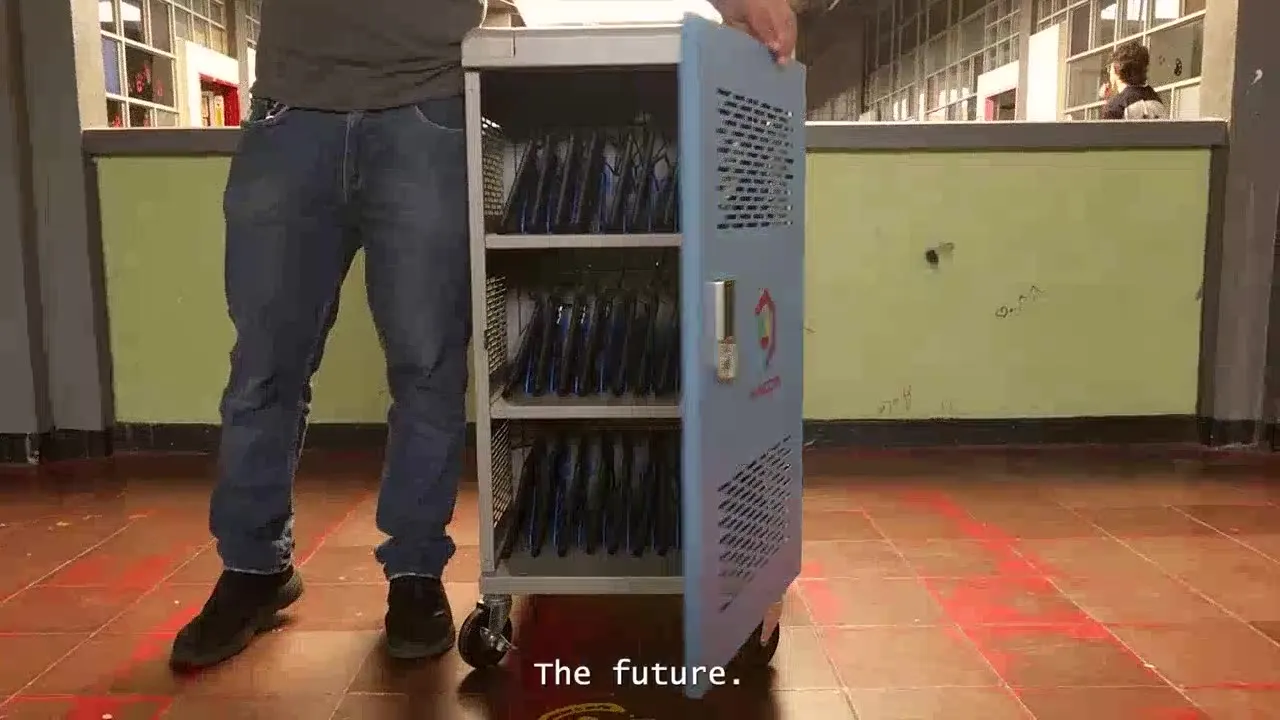


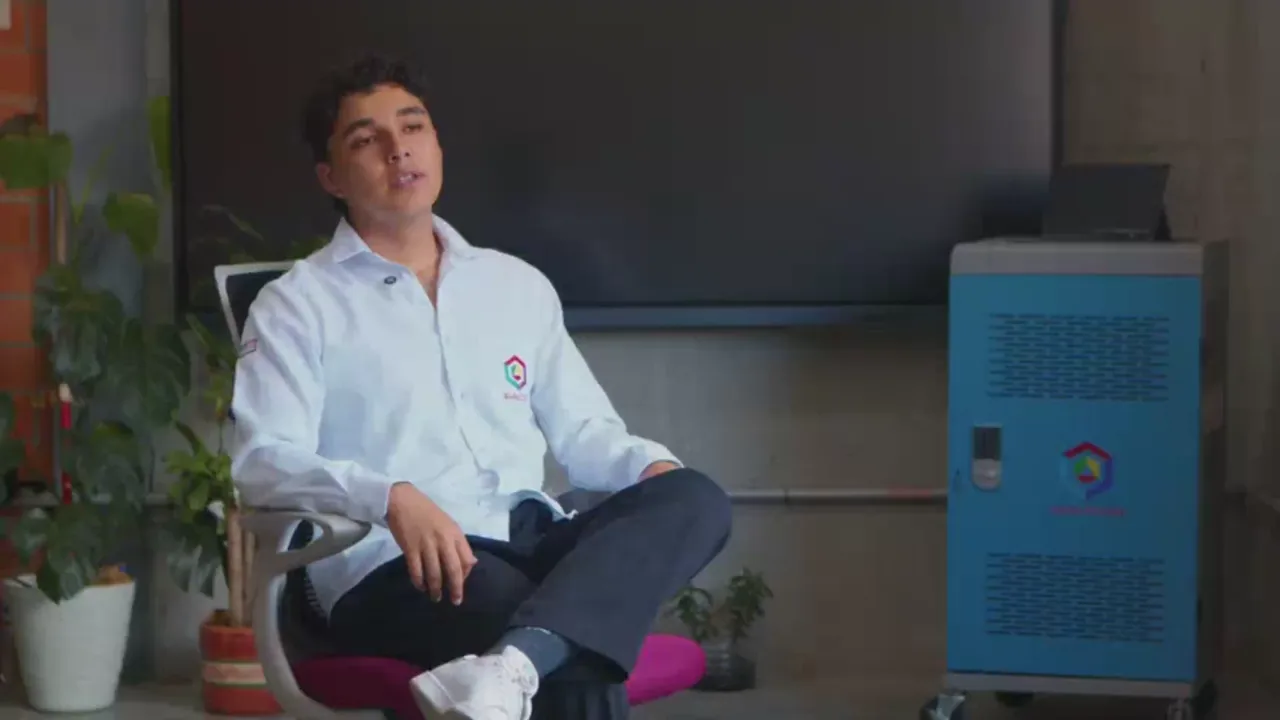
I have been teaching for 22 years. With AVACOM, for the first time technology works with me and not the other way around.

In our area the connection is intermittent. With AVACOM, students work with simulations, videos and complete content every day, with or without internet.

AVACOM's training team walked beside us from day one. Our teachers are no longer afraid of the screen, they own it. That cultural change is worth more than any device.

We have been using the ecosystem for four years and it works just like the first day. It is the most solid technology investment we have made at this institution.

My students experiment with simulations I never had. They ask questions, they get excited, they come back the next day. That, for me, is what changed with AVACOM.
Putumayo, rural Santander, scattered Quindío. Areas where connectivity does not reach, electricity is intermittent and technology deployment is especially demanding. That is where AVACOM works, because the classroom cannot wait for infrastructure to arrive.
The offline-first model ensures that a student in a rural settlement of Quindío receives the same quality of content and support as one in an urban school.
If the ecosystem works in the country's hardest classrooms, imagine what it can do in your institution. This same initiative is open to any school or education authority that wants to set it in motion.
Every implementation starts with a technical evaluation of your context: connectivity, infrastructure, teacher training. If your institution or education authority wants to know how it would apply in your case, let’s talk.