Digital citizenship: how to prepare students to live well in a connected world
Using technology with judgment, respect and safety is a skill that can be taught, and school is the best place to cultivate it.
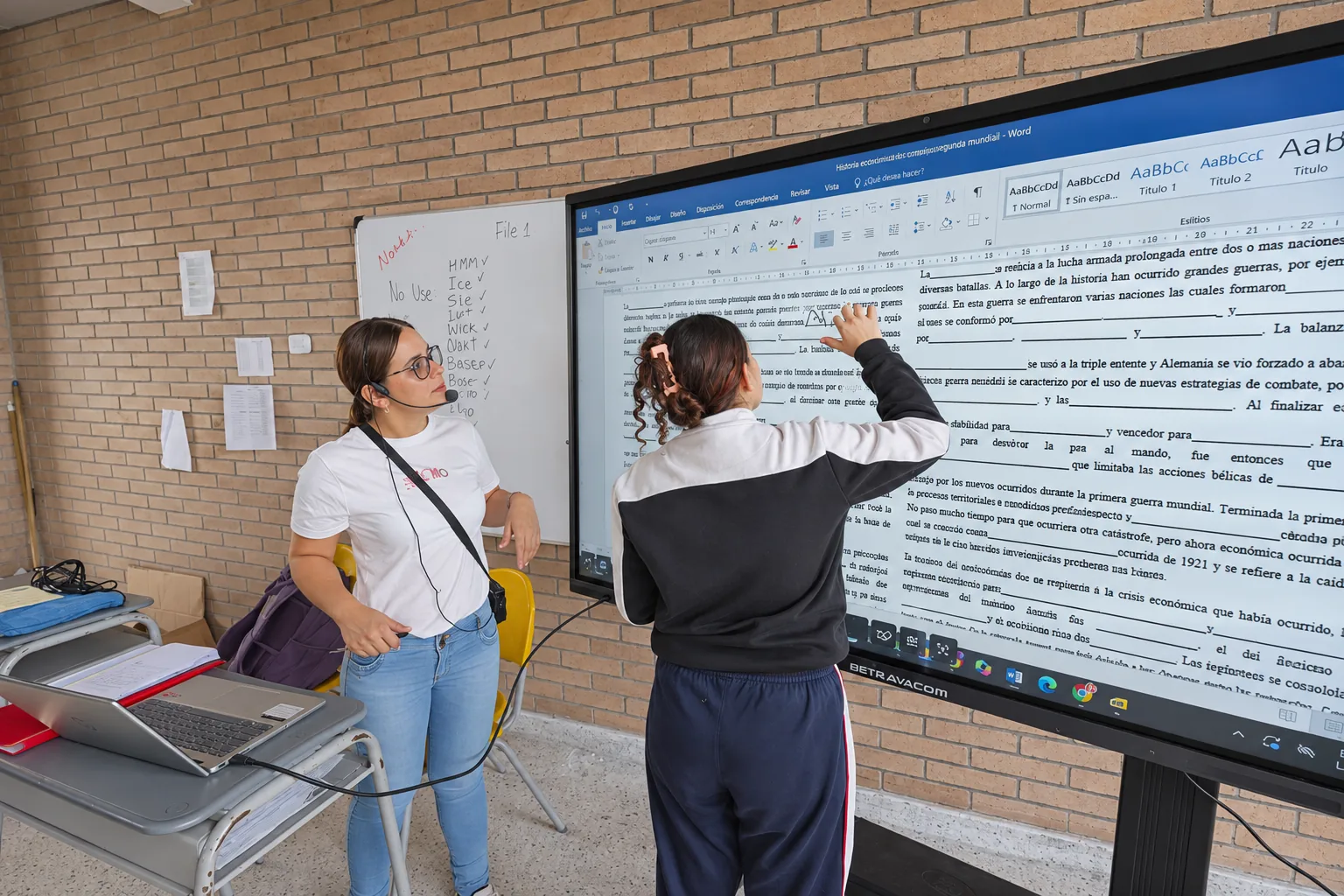
Digital citizenship brings together the skills to get along and take part online.
It covers safety, respect, digital footprint and critical thinking.
It is best learned through guided practice in a protected environment.
School and family support that learning together.
Today's students grow up connected, and they handle a phone with ease from a very young age. That technical skill sits alongside a question school can help answer: how to live well in that digital world. Knowing how to tap a screen and knowing how to behave online are different things, and the second is taught with the same dedication as reading or math.
What digital citizenship is
Digital citizenship brings together the skills, habits and values that make it possible to take part in the connected world safely, respectfully and responsibly. It covers protecting personal information, treating others well online, understanding that what gets posted leaves a footprint, and looking at what you find with a critical eye. At heart, it means carrying into the digital world the same values of coexistence that school cultivates on the playground and in the classroom.
The conversations school can open up
Several topics lend themselves naturally to classroom work. The digital footprint invites students to think before they post, because what gets shared lasts. Respect online opens the conversation about how we treat others and what to do about peer mistreatment. Source verification teaches students to question what circulates, with method. And digital well-being helps them find a healthy balance with screen time. Each of these topics fits into a single lesson and leaves a mark that stays with the student outside school.
A place to practice safely
Digital citizenship is learned by practicing, and practice needs a protected place. A learning environment with curated content and teacher support lets students explore, make mistakes and learn without the risks of the open internet. A platform designed for school, where the teacher guides the experience, offers exactly that safe space to rehearse the habits they will later apply on their own.
School and family, together
This skill grows stronger when school and home pull in the same direction. School provides the framework, the vocabulary and the guided practice; the family sustains those habits day to day. When both are involved, the student receives a consistent message and builds a healthy, safe relationship with the technology around them.
Raising digital citizens means teaching students to live online with the same values we cultivate off screen.
The AVACOM ecosystem offers an offline-first learning environment with curriculum-aligned content and teacher support: a protected space where students practice safe, responsible digital citizenship.
คำถามที่พบบ่อย
What is digital citizenship?
It is the set of skills, habits and values that make it possible to take part in the connected world safely, respectfully and responsibly, carrying into the digital environment the same values of coexistence that school cultivates.
What topics does digital citizenship cover?
Online safety, care for one's digital footprint, respect and getting along with others, source verification, and digital well-being, which includes a healthy balance with screen time.
How is digital citizenship taught at school?
Through guided practice in a protected learning environment where the teacher provides support, and with school and family sustaining the same habits day to day.