Critical thinking in the digital age: the role of educational technology
A teenager opens their phone and, within seconds, receives hundreds of messages, videos and headlines competing for their attention. Some are true, others less so, and almost none come with a guide for telling them apart. One of the most valuable skills of our time is at stake in that daily torrent: critical thinking. And in the classroom, educational technology has become a powerful ally for cultivating it.
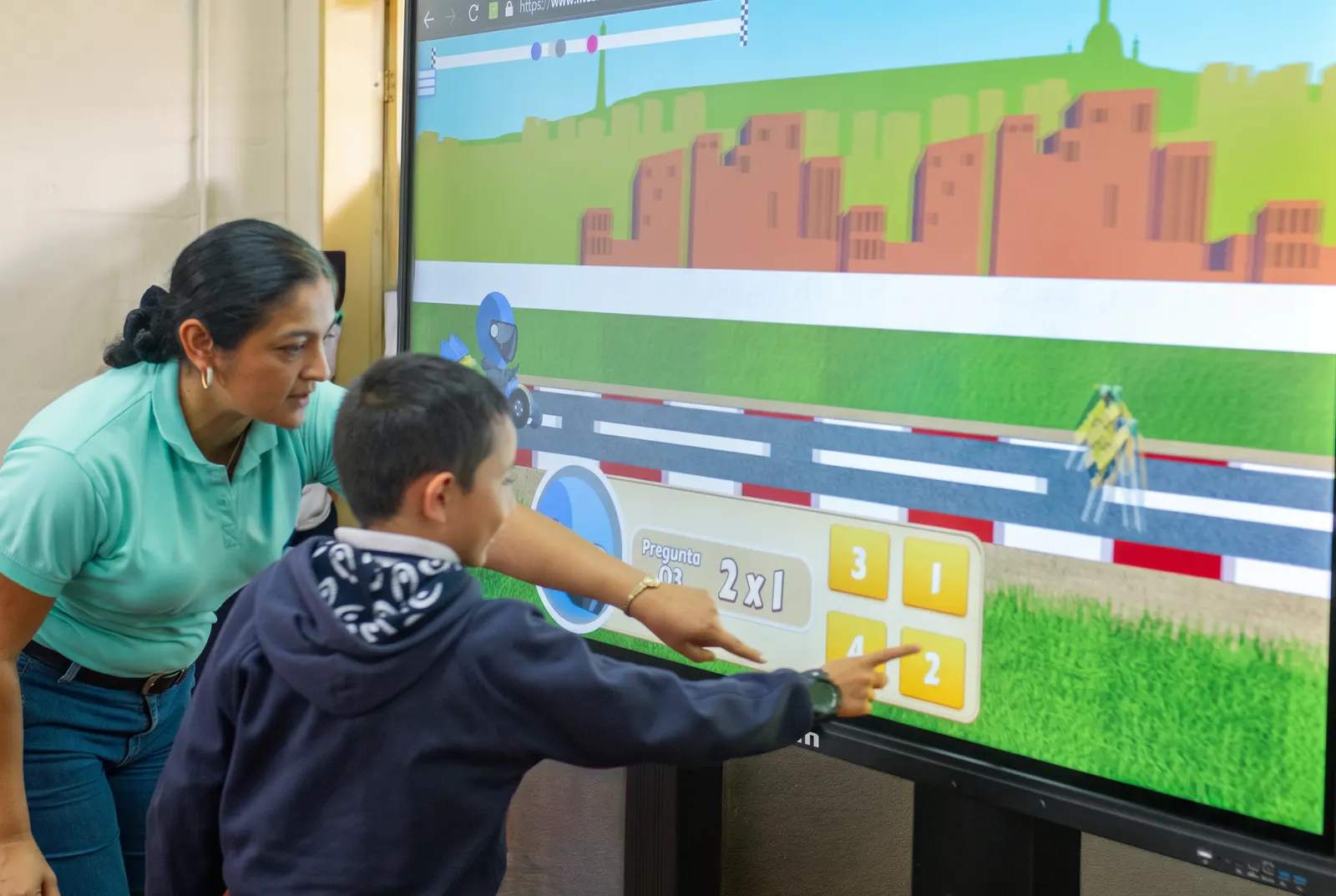
Critical thinking now ranks among the most sought-after skills, and building it starts at school. Schools and universities are taking on the challenge of shaping students who can analyse, question and argue in the face of a constant flow of information. This piece explores how educational technology strengthens that capacity from primary school through to higher education.
What is critical thinking and why is it so urgent today?
Critical thinking is the ability to analyse information, spot bias, cross-check sources and reach one's own reasoned conclusions. In the digital age it takes on special relevance, because students have access to volumes of information no previous generation faced inside the classroom. Building this skill calls for active methodologies and, increasingly, educational technology tools that invite students to ask, to doubt intelligently and to form their own judgement.
How does educational technology awaken critical thinking?
Educational technology offers fertile ground for practising analysis. Simulations and STEAM projects pose real problems that are solved with data, evidence and reasoned decisions. Collaborative activities open spaces where students debate, weigh viewpoints and build arguments together. Source-checking exercises teach them to recognise reliable information among the noise. And immediate feedback invites them to revisit their own reasoning and refine it on solid ground.
These resources turn the class into a space where educational technology accompanies the act of thinking and understanding. The student stops being a receiver and becomes someone who questions, weighs up and decides.
EdTech tools that strengthen independent judgement
Within the educational technology ecosystem, every tool brings something of its own. An LMS platform organises debates, forums and research projects, and lets teachers follow each student's line of argument throughout the course. Educational software focused on problem solving sets up scenarios where students weigh variables before deciding. Research-oriented EdTech resources guide the framing of questions, the search for evidence and the building of conclusions. Integrated into well-designed digital classrooms, these tools offer many entry points for practising critical thinking according to each student's age and level.
The teacher, the guide who shapes thinking
Educational technology widens what a classroom can do, and the teacher remains the one who makes the difference. Designing open questions, moderating debates and steering the use of each tool with pedagogical intent is what separates a class that uses technology to entertain from one that uses it to think. When teachers master the educational platform and its resources, they gain room to steer the conversation towards analysis and towards the reasons behind every answer.
Challenges in bringing in technology to think better
The path has its challenges, and recognising them helps you walk it. It is worth making sure that the abundance of content leaves room for unhurried reflection, training teachers in active methodologies that use EdTech tools with purpose, designing activities that value the quality of reasoning over the speed of the answer, and measuring progress in analytical skills alongside traditional academic results. Meeting these challenges turns educational technology into a tool that builds judgement and prepares students for a world where thinking rigorously counts as much as accessing information.
Conclusion
Critical thinking grows stronger when educational technology is integrated with clear pedagogical intent. Simulations, collaborative platforms, interactive screens and STEAM projects give students many opportunities to analyse, argue and build their own judgement about the information they meet every day.
AVACOM supports institutions with an educational technology ecosystem, including an LMS platform and digital classrooms, designed to shape students who can think rigorously and create with judgement in the digital age.
Questions fréquentes
How does educational technology help develop critical thinking?
Educational technology offers simulations, STEAM projects and collaborative platforms that invite students to analyse information, cross-check sources and argue their conclusions, through active learning that goes beyond memorising.
What role does an LMS platform play in building critical thinking?
An LMS platform organises debates, forums and research projects, and lets teachers follow each student's line of argument throughout the course.
What role does the teacher keep when using educational technology to build critical thinking?
The teacher keeps the role of guide: designing open questions, moderating debates and steering the use of each digital tool so that educational technology reinforces analysis and the building of judgement.